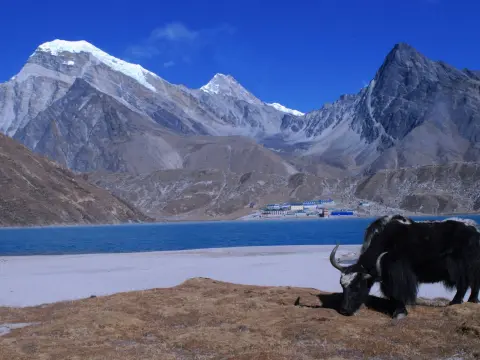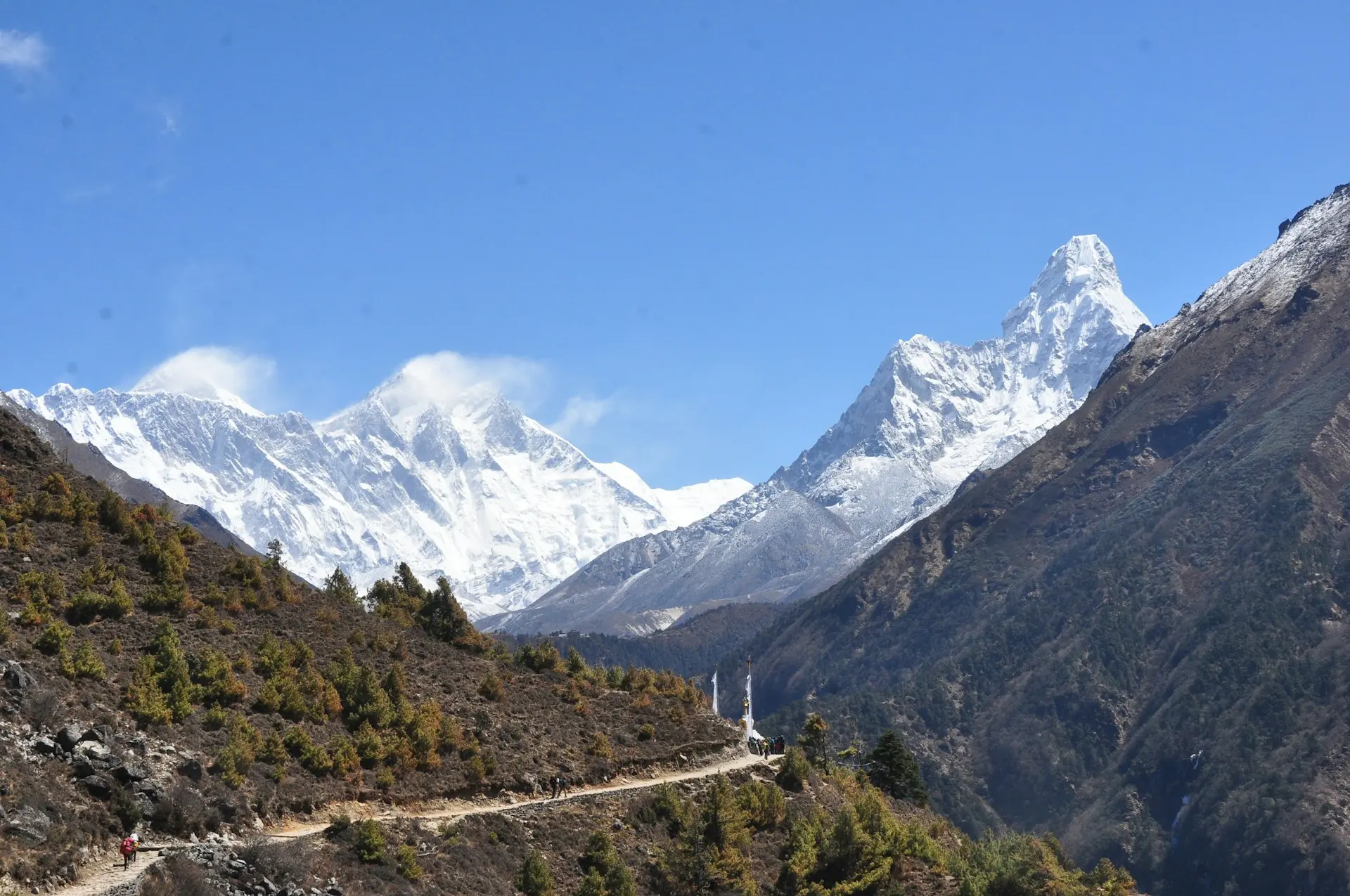
The Everest Panorama Trek, organized by Nepal Everest Trek, is a classic journey that offers breathtaking views of the world’s highest peaks without the extreme challenges of high-altitude expeditions. Starting from Kathmandu, this trek takes you to the Khumbu region, home to iconic landscapes, Sherpa culture, and serene monasteries. You will fly into Lukla, the gateway to Everest, and trek through picturesque villages, rhododendron forests, suspension bridges, and glacial valleys. Unlike longer treks like the Everest Base Camp trek, the Panorama Trek focuses on providing magnificent mountain views with moderate walking days, making it suitable for first-time trekkers and those with limited time.
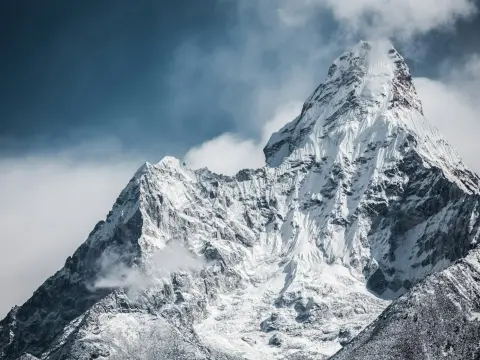
One of the highlights of this trek is the majestic view of Mount Everest from Kala Patthar (5,545m), alongside other peaks like Ama Dablam, Nuptse, Lhotse, and Thamserku. The trek also immerses travelers in Sherpa traditions and Buddhist culture through visits to Tengboche Monastery and Khumjung Village. Each day presents a blend of adventure, culture, and natural beauty, making it a perfect balance for travelers seeking the Himalayas’ essence without intense physical strain.
The Everest Panorama Trek can be undertaken in both spring (March–May) and autumn (September–November), which are considered the best seasons for trekking in Nepal. During spring, the valleys bloom with rhododendrons and other wildflowers, creating vibrant landscapes. The weather is generally clear and moderate, making it ideal for photography and enjoying the views of Everest and neighboring peaks. Autumn offers crisp, clear skies and stable weather conditions, providing excellent visibility of the Himalayan range and cool temperatures for trekking.
Winter (December–February) is possible but cold, and snow can block some trails, while the monsoon season (June–August) brings heavy rainfall, slippery paths, and limited visibility. Choosing the optimal season enhances both safety and enjoyment, ensuring memorable panoramas and cultural experiences. Travelers from Nepal Everest Trek often prefer spring or autumn for a perfect balance of scenery, comfortable temperatures, and accessibility to villages and monasteries.
Short points:
The trek is considered moderate in difficulty, making it suitable for trekkers with basic fitness. While the walking hours range from 4–6 hours daily, the main challenge is gradual altitude gain. Acclimatization days, like the one in Namche Bazaar, help prevent altitude sickness. The trails are well-trodden but include steep ascents, stone paths, and suspension bridges, providing a safe yet adventurous trekking experience.
Transportation for the trek starts with a short domestic flight from Kathmandu to Lukla, renowned for its thrilling runway surrounded by snow-capped peaks. After the trek, you fly back to Kathmandu, saving time and avoiding long road travel. Local teahouses and porters often accompany trekkers, ensuring comfort and safety throughout the journey. Nepal Everest Trek ensures all logistics, including flights, permits, and ground transportation, are arranged professionally for a hassle-free adventure.
Short points:
During the trek, meals are usually provided in teahouses, offering authentic Nepali, Tibetan, and Western cuisine. Breakfast often includes porridge, eggs, or pancakes; lunch may be dal bhat (rice & lentils), noodles, or soups; and dinner includes hearty dishes to restore energy after trekking. Drinking water should be purified or bottled, as high-altitude streams may not be safe. Nepal Everest Trek recommends carrying some energy snacks, such as nuts and chocolate, for long trekking days.
Accommodation along the route is mainly in teahouses or lodges, providing simple rooms with basic bedding. Hot showers are limited and sometimes available for a small extra fee. Namche Bazaar and Tengboche offer slightly better facilities, while remote villages provide cozy, rustic lodging. Staying in local teahouses allows trekkers to experience Sherpa hospitality and culture firsthand, making each overnight stop a unique and immersive experience.
Short points:
To trek in the Everest region, you need two key permits: Sagarmatha National Park Entry Permit and TIMS (Trekkers’ Information Management System) Card. The Sagarmatha National Park permit protects the region’s natural and cultural heritage, while TIMS ensures trekkers’ safety and tracking in case of emergencies. Both permits are easily arranged through Nepal Everest Trek, which handles documentation, fees, and updates to ensure compliance with local regulations.
Permits also ensure access to teahouses, trekking trails, and mountain viewpoints. Carrying these permits at all times is mandatory, as park authorities may check them at various points during the trek. By managing these permits for trekkers, Nepal Everest Trek minimizes stress and allows adventurers to focus entirely on enjoying the Himalayas.
Short points:
The Everest Panorama Trek is perfect for anyone seeking breathtaking Himalayan views without extreme altitude challenges. Unlike longer expeditions, it offers a condensed but complete experience of the Khumbu region, making it ideal for travelers with limited time. With moderate trekking days, scenic flights, cultural immersion, and acclimatization breaks, this trek balances adventure and comfort perfectly.
Choosing Nepal Everest Trek ensures professional guidance, organized logistics, and reliable support from start to finish. Experienced guides accompany trekkers, handling accommodation, meals, permits, and emergencies. The company also focuses on eco-friendly practices, supporting local communities and preserving the environment. With safety, comfort, and unforgettable scenery as priorities, the Everest Panorama Trek is an excellent introduction to the Himalayas.
Short points:
Clothing
Handwear
Footwear
Gear
Miscellaneous
The Everest Panorama Trek is considered a moderate-level trek, suitable for individuals with basic fitness and prior trekking experience. While it does not require technical climbing skills, trekkers should be prepared for long walking days, steep ascents, and varying weather conditions. Altitude acclimatization is crucial, and Nepal Everest Trek ensures proper rest days to prevent altitude sickness. The trek provides a gradual ascent, scenic trails, and visits to cultural villages, making it accessible for adventure enthusiasts seeking breathtaking Himalayan panoramas without extreme challenges.
Physical preparation is essential for a comfortable trekking experience. Recommended training includes regular cardio exercises such as jogging, cycling, or swimming to improve stamina, as well as strength training for legs and core muscles. Practicing uphill walking with a weighted backpack can also be beneficial. Nepal Everest Trek provides a pre-trek fitness guide, emphasizing the importance of gradual training to prevent fatigue and ensure enjoyment during long walking days at higher altitudes. Adequate preparation helps minimize the risk of altitude sickness.
Yes, altitude sickness can occur above 2,500 meters, and since the trek reaches elevations above 3,800 meters, it is a real concern. Symptoms include headache, nausea, dizziness, and shortness of breath. Nepal Everest Trek emphasizes proper acclimatization, gradual ascent, hydration, and rest days to minimize the risk. Guides are trained to recognize early symptoms and can take necessary actions, including descending if required. Following medical advice and listening to your body are essential for a safe and enjoyable trekking experience.
Connectivity in the Everest region is limited. Mobile networks are available in larger villages like Namche Bazaar, Tengboche, and Lukla, but coverage is often weak and intermittent. Internet access is available in some teahouses for a fee, usually via Wi-Fi dongles or satellite connections. Nepal Everest Trek advises not to rely on constant connectivity and to focus on the trekking experience. However, these limited connections are sufficient for occasional updates to family or friends, and for basic communication during emergencies.
Yes, the Everest Panorama Trek can be customized to suit your schedule, fitness level, or interests. Nepal Everest Trek can extend the trek to include Gokyo Lakes, Everest Base Camp, or additional cultural villages. It’s also possible to adjust pace, include extra acclimatization days, or add sightseeing in Kathmandu before or after the trek. Customization ensures that trekkers have a personalized adventure, maximizing enjoyment while accommodating health, fitness, and sightseeing goals in the beautiful Everest region.
The ideal time for the Everest Panorama Trek is during the pre-monsoon (March to May) and post-monsoon (September to November) seasons. These months offer clear skies, stable weather, and excellent visibility of the Himalayan peaks, including Everest, Ama Dablam, and Lhotse. During the monsoon season, trails can be slippery and prone to landslides, while winter months bring heavy snow and freezing temperatures. Nepal Everest Trek can advise on the best season based on your preferences, fitness, and photography goals.
Yes, trekking in the Everest region requires specific permits. These include the Sagarmatha National Park Entry Permit and the Khumbu Region TIMS Card (Trekkers’ Information Management System). Permits are strictly regulated, and Nepal Everest Trek arranges them on your behalf to ensure smooth travel through protected areas. Carrying valid identification, such as a passport, is necessary for permit processing. These permits not only allow legal trekking but also contribute to the conservation of natural and cultural heritage in the Everest region.
Trekking in the Everest region primarily involves staying in teahouses, which are small lodges run by local families. These provide basic amenities such as beds, blankets, hot showers (at an extra cost), and meals. While the facilities are simple, they offer a warm, homely experience and an opportunity to interact with Sherpa culture. Nepal Everest Trek carefully selects teahouses with comfortable, hygienic conditions to ensure your comfort, making sure each night’s stay is safe and welcoming despite the remote mountainous environment.
Most meals during the trek are served in teahouses and typically include traditional Nepali dishes such as dal bhat (rice and lentil soup), noodles, soups, and bread. Western-style meals are also available in larger villages like Namche Bazaar. Nepal Everest Trek ensures that trekkers receive sufficient calories to meet energy needs, especially during high-altitude days. Vegetarians can easily find options, while vegan and special dietary needs should be communicated in advance so arrangements can be made to accommodate your requirements throughout the trek.
Packing the right gear is crucial for comfort and safety. Essentials include layered clothing for fluctuating temperatures, trekking boots, thermal wear, a waterproof jacket, gloves, hats, trekking poles, and a quality backpack. Additional items include a water bottle, personal medications, sunscreen, and a headlamp. Nepal Everest Trek provides a detailed packing list before the trek, ensuring trekkers are well-prepared for high-altitude conditions, cold nights, and long walking days. Proper gear ensures safety, warmth, and maximum enjoyment throughout the journey.
| No of people | Price per person |
|---|---|
| 1 - 1 | $1,545 |
| 2 - 4 | $1,440 |
| 5 - 9 | $1,425 |
| 10 - 15 | $1,410 |