★★ Join our fixed departure treks, and get discounts! ★★
Nepal Everest Trek
0
Join our fixed departure groups.

Manaslu Tsum Valley Trek

  • Best price guaranteed
  • No booking fees
  • Book Now, Pay Later
Manaslu Tsum Valley Trek, Nepal
Days
19
  • Best price guaranteed
  • No booking fees
  • Book Now, Pay Later
Share
Print
Max. Elevation
5,106 m / 16,751 ft
Group size
Min 1+
Transportation
All ground transportation as per itinerary
Best Season
Mar - May, Sep - Nov
Starts at / Ends at
Kathmandu / Kathmandu
Accomodation
Hotel in Kathmandu and Lodge / Tea House during the trek
Meals
Breakfast in Kathmandu and all meals during the trek

Highlights

  • Explore the remote and sacred Tsum Valley, preserving Tibetan Buddhist culture
  • Trek alongside lush forests, rivers, and terraced villages
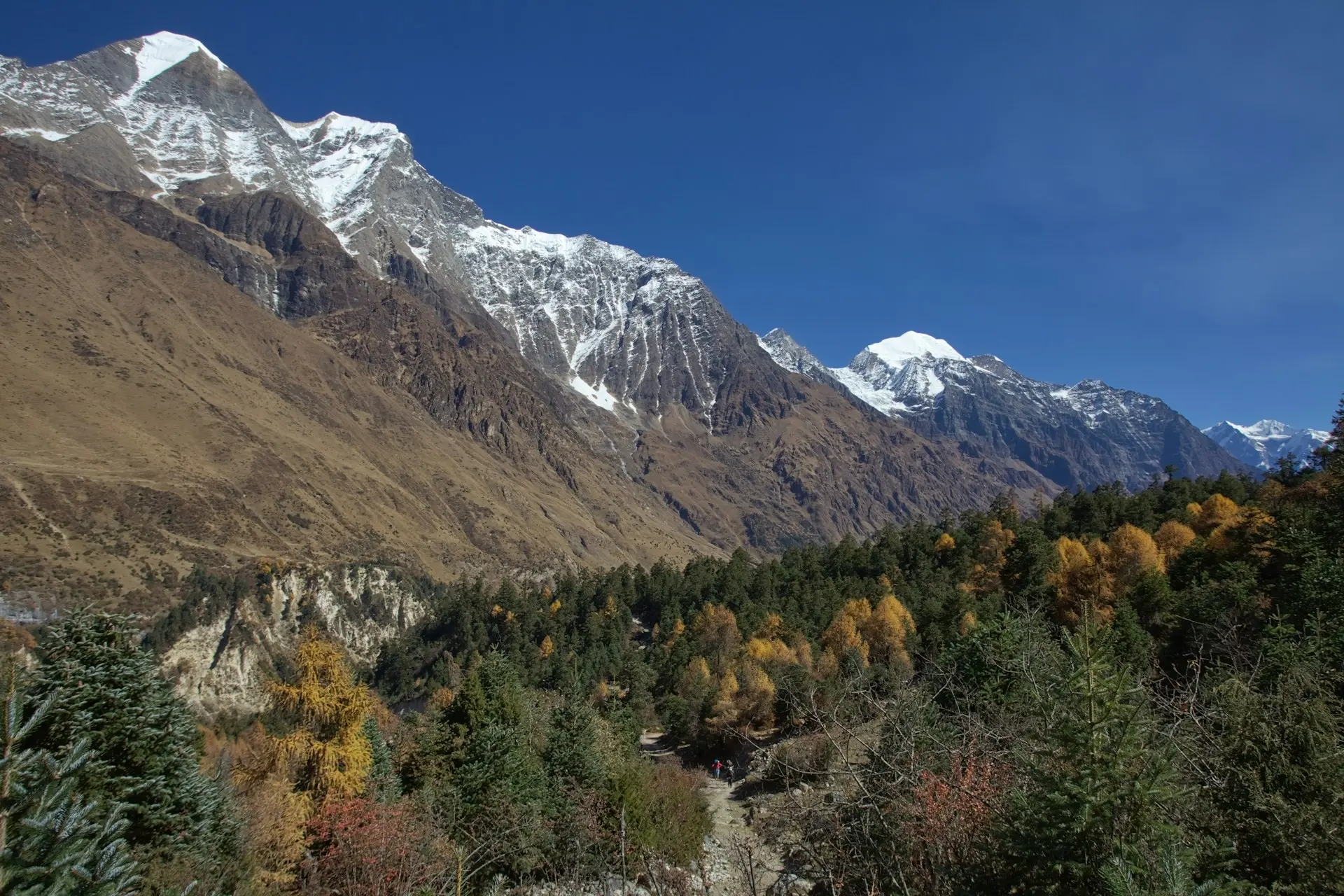
  • Spectacular views of Manaslu (8163m) and other Himalayan peaks
  • Visit ancient monasteries, stupas, and local temples
  • Cross the challenging Larkya La Pass (5160m)
  • Experience traditional Nepali and Tibetan cuisine in tea houses
  • Observe unique flora and fauna in conservation areas
  • Acclimatization at Samagaon, with options to visit Birendra Lake and Pungen Monastery
  • Enjoy a combination of adventure, spirituality, and cultural immersion

Overview

The Manaslu Tsum Valley Trek, offered by Nepal Everest Trek, is one of Nepal’s hidden gems, combining spiritual immersion, cultural discovery, and breathtaking Himalayan landscapes. This trek takes you through the remote Tsum Valley, a sacred Buddhist region that has preserved its ancient traditions and unique Tibetan-influenced culture. Located in the north-central part of Nepal, this area lies near the majestic Manaslu (8,163m), the world’s eighth-highest peak. Trekkers experience lush forests, traditional villages, suspension bridges, and pristine rivers while trekking through the lower to higher altitudes.

The trek typically spans 18–19 days, starting from Kathmandu and moving through Machha Khola, Jagat, Lokpa, Chumling, and Rachen Gompa, eventually reaching Samagaon, the gateway to the Tsum Valley. An acclimatization day at Samagaon allows trekkers to explore Birendra Lake, Pungen Monastery, or even Manaslu Base Camp. The route continues to Samdo, Larkya Phedi, and crosses the famous Larkya La Pass (5160m) before descending to Bimthang and Dharapani, finishing with a drive back to Kathmandu. This trek is a perfect blend of adventure, natural beauty, and spiritual enrichment, making it ideal for travelers who want an off-the-beaten-path Himalayan experience.

  • Explore the sacred Tsum Valley and its untouched villages
  • Witness panoramic views of Manaslu and Ganesh Himal
  • Experience Tibetan Buddhist culture in monasteries and local communities
  • Traverse high mountain passes, rivers, and forests

Best Season for Manaslu Tsum Valley Trek

The Manaslu Tsum Valley Trek is best undertaken during the pre-monsoon (spring) and post-monsoon (autumn) seasons. In spring (March to May), the valleys and hillsides are covered with rhododendron blooms, offering colorful scenery and pleasant weather for trekking. Snow on higher elevations makes the peaks stunningly photogenic, and temperatures are moderate for daytime trekking. This is an excellent time for photographers and nature enthusiasts.

In autumn (September to November), after the monsoon, the skies are clear, providing spectacular views of the snow-capped Himalayan peaks. The trails are less muddy, and the weather remains stable, reducing the risk of landslides or road blockages. Winter trekking (December–February) is also possible but challenging due to heavy snow, especially at Larkya La Pass, and fewer lodges being operational in the remote regions. Summer (June–August) is generally not recommended due to monsoon rains, leeches, and slippery trails.

Best Seasons Summary:

  • Spring (Mar–May): Rhododendron blooms, moderate temperatures
  • Autumn (Sep–Nov): Clear skies, stable weather, prime trekking conditions
  • Winter (Dec–Feb): Snow-covered landscapes, fewer trekkers
  • Monsoon (Jun–Aug): Not recommended due to rain and landslides

Manaslu Tsum Valley Trek Difficulty and Transportation

The Manaslu Tsum Valley Trek is considered moderate to challenging, suitable for trekkers with prior trekking experience. While the lower regions involve relatively gentle trails through villages and forests, higher altitude segments, such as the Larkya La Pass at 5160m, require stamina, acclimatization, and careful preparation. Daily walking distances range from 4–7 hours, with some days stretching longer during steep ascents or descents. Proper trekking gear, hydration, and acclimatization days are essential to minimize the risk of altitude sickness.

Transportation to the starting point is relatively straightforward. Most treks begin with a drive from Kathmandu to Arughat or Soti Khola, followed by the trek through Machha Khola, which is accessible via jeep or local bus. The return journey usually involves a jeep or bus ride from Dharapani to Kathmandu, passing through scenic rural landscapes. Nepal Everest Trek ensures organized transportation, reliable local drivers, and comfortable transfers, making logistics easy and stress-free for trekkers.

Difficulty & Transportation Highlights:

  • Moderate to challenging trek with high-altitude segments
  • Daily trek duration: 4–7 hours, with long trekking days for passes
  • Transport via jeep or bus from Kathmandu to Machha Khola and back
  • High-altitude acclimatization is crucial for safety

Food and Accommodation for Manaslu Tsum Valley Trek

During the Manaslu Tsum Valley Trek, accommodation is a combination of tea houses, lodges, and guesthouses. In lower regions like Jagat, Lokpa, and Chumling, basic facilities with warm beds, shared bathrooms, and home-cooked meals are available. As you ascend, especially above Samagaon and Samdo, lodges may be more rustic due to remote access. Nepal Everest Trek ensures trekkers stay in reliable and hygienic accommodations, providing comfort and safety in isolated areas.

Food along the trek includes traditional Nepali dishes, Tibetan-inspired meals, and continental options in larger lodges. Common meals include dal bhat (rice and lentils), momo (dumplings), noodle soups, and potatoes, which are both nutritious and energy-boosting for trekkers. Tea, coffee, and hot drinks are widely available, crucial for warming up during high-altitude days. Vegetarians and trekkers with dietary restrictions are generally accommodated with advance notice to the company.

Food & Accommodation Summary:

  • Tea houses, lodges, and guesthouses along the route
  • Home-cooked Nepali and Tibetan meals, dal bhat, momo, noodles
  • Hot drinks and snacks available in most villages
  • Clean, safe, and reliable accommodation arranged by Nepal Everest Trek

Manaslu Tsum Valley Trek Permits

Trekking in the Manaslu region requires specific permits due to its status as a restricted area. Nepal Everest Trek helps trekkers obtain the necessary documents, which include:

  • Manaslu Restricted Area Permit (RAP): Required for all trekkers, with a mandatory guide from the region.
  • Annapurna Conservation Area Permit (ACAP): For entry to areas overlapping with conservation zones.
  • Tsum Valley Special Permit: Some sections require additional local permits to enter the culturally sensitive Tsum Valley.

These permits ensure responsible tourism, preservation of the environment, and respect for local traditions. Fees vary based on nationality and trekking duration. With permits in hand, trekkers can enjoy peace of mind, legal access, and the chance to experience the region’s natural and cultural heritage safely. Nepal Everest Trek takes care of all paperwork in advance, ensuring a smooth and hassle-free trek experience.

Permit Summary:

  • Manaslu Restricted Area Permit (RAP)
  • Annapurna Conservation Area Permit (ACAP)
  • Tsum Valley Special Permit
  • Mandatory local guide for restricted areas

Why Choose Manaslu Tsum Valley Trek

Choosing the Manaslu Tsum Valley Trek with Nepal Everest Trek is perfect for trekkers seeking off-the-beaten-path adventure, cultural immersion, and spiritual experience. Unlike the crowded trekking routes in Annapurna or Everest regions, this trek provides solitude, serenity, and authentic encounters with traditional Tibetan Buddhist communities. The untouched landscapes, high-altitude passes, and sacred monasteries offer a unique blend of adventure and cultural learning.

Nepal Everest Trek is a trusted trekking company known for experienced guides, quality service, and personalized attention. They manage all logistics, including permits, transportation, accommodation, and meals, allowing trekkers to focus entirely on the journey. Safety is a priority, with acclimatization days, expert advice on altitude sickness, and professional support along the route. This trek is ideal for those who want to combine adventure, photography, nature, and spiritual exploration in a single Himalayan journey.

Why Choose Manaslu Tsum Valley Trek:

  • Remote, off-the-beaten-path adventure
  • Rich Tibetan Buddhist culture and sacred monasteries
  • Stunning Himalayan views and high passes
  • Guided by experienced professionals from Nepal Everest Trek
  • Safe, comfortable, and well-organized trekking experience

Trip Itinerary

Upon your arrival at Tribhuvan International Airport in Kathmandu, our representative from Nepal Everest Trek will warmly welcome you and transfer you to your hotel. You will have time to rest after your flight and settle in. In the evening, a detailed briefing about the trek will be conducted, covering the route, safety measures, and tips for acclimatization. This day also gives you a chance to explore the vibrant streets of Thamel, shop for trekking essentials, or simply enjoy a traditional Nepali meal before the adventure begins.
After breakfast, embark on a scenic drive from Kathmandu to Machha Khola, passing through winding mountain roads and picturesque villages. The drive, which may take around 8–9 hours, showcases terraced fields, rivers, and traditional Nepali settlements. Upon arrival in Machha Khola, you can enjoy a relaxing evening by the Budhi Gandaki River. This small village serves as the gateway to the Manaslu Tsum Valley Trek. Here, your guides will check your trekking gear, and you will have an early night to prepare for the journey ahead.
The trek begins with a gentle ascent through lush forests, terraced farmland, and suspension bridges crossing clear streams. The trail passes small villages where you can observe traditional Nepali lifestyles. As you approach Jagat, the scenery starts to change with glimpses of the surrounding hills and mountains. Jagat is a small village with basic tea houses and provides a great spot to rest and adjust to the altitude. Along the way, your guide from Nepal Everest Trek will explain local culture, flora, and fauna, enriching your trekking experience.
Today’s trek is more challenging as the trail ascends steadily through dense forests of rhododendron and oak. You will cross suspension bridges over rushing streams and walk past traditional stone houses. The higher elevation offers more breathtaking views of the surrounding mountains. Lokpa, a serene village at 2240 meters, offers basic accommodations where trekkers can rest and prepare for the next day’s climb. The evening allows for reflection on the stunning landscapes while enjoying a warm meal with fellow trekkers.
The trail to Chumling passes through quiet villages and farmland, gradually gaining altitude. Along the way, you may notice mani walls, prayer flags, and small Buddhist shrines, highlighting the region’s rich cultural heritage. Chumling is a peaceful settlement nestled in a valley, offering spectacular views of the surrounding hills. The pace is moderate, allowing for acclimatization while immersing yourself in local life. Staying in local tea houses gives you the opportunity to interact with villagers and learn more about their customs and traditions.
Today, the trail begins to climb more steeply, leading through alpine forests and open ridges. You will encounter terraced fields and scattered villages along the way, with occasional glimpses of snow-capped peaks in the distance. Rachen Gompa, a small monastery village at 3240 meters, provides a unique cultural experience. Here, trekkers can observe monks performing rituals, and the serene environment encourages reflection. This section of the trek demands endurance but rewards you with magnificent mountain views and a true sense of remoteness in the Manaslu region.
The trek today takes you through dramatic landscapes as the trail climbs steadily towards Mu Gumpa. You will pass terraced hillsides, small streams, and prayer flags fluttering in the wind. The higher elevation provides stunning panoramas of the Manaslu range and surrounding valleys. Mu Gumpa is a spiritual highlight with its small monastery and peaceful environment. Trekkers can enjoy the crisp mountain air and the sense of isolation while appreciating the blend of natural beauty and Buddhist culture. It’s a challenging but rewarding day.
Descending from Nile back to Chumling offers a change of pace, allowing trekkers to enjoy the scenery from a different perspective. The trail winds through forests and terraced fields, providing a chance to rest and recuperate. Chumling welcomes you once again with its quiet charm and local hospitality. The descent also helps your body adjust to altitude changes, and the evening can be spent sharing stories and experiences with fellow trekkers while enjoying traditional Nepali food.
Today’s trek gradually descends into lower elevations, passing through dense forests and river valleys. The trail takes you through picturesque villages, suspension bridges, and lush green landscapes. Deng, situated at 1860 meters, is a scenic village known for its warm hospitality. Here, trekkers can relax and enjoy views of surrounding peaks. The descent allows for easier trekking, giving your body a break while still experiencing the unique Tsum Valley culture and lifestyle. Local tea houses offer a cozy spot to unwind after the day’s journey.
The trail begins to ascend once more, gradually gaining altitude as you move deeper into the Manaslu region. You will pass through beautiful forests, traditional villages, and terraced farmlands. Namrung, at 2630 meters, is a larger village with more facilities and a strong cultural presence, including monasteries and prayer flags. The trek offers breathtaking views of surrounding mountains and valleys, making the climb rewarding. Staying in local teahouses allows you to experience authentic Nepali hospitality and interact with villagers, gaining insights into their daily lives.
Today’s trek involves a steady climb through picturesque landscapes, passing through forests, streams, and small settlements. Lho, a traditional Tibetan-style village at 3180 meters, offers a unique glimpse into local culture and architecture. Monasteries, mani walls, and prayer flags create a serene atmosphere. The village is surrounded by spectacular mountain views, making it a perfect spot for photography and reflection. Your guide from Nepal Everest Trek will provide cultural insights and help you acclimatize, preparing you for the higher elevations to come.
The trail today gradually climbs to Samagaon, passing through open ridges and dense forests. The village of Samagaon is known for its traditional Tibetan-style houses and panoramic views of the Manaslu range. Here, trekkers can relax in cozy teahouses while enjoying warm meals. The surrounding area offers opportunities for short hikes to viewpoints or nearby monasteries. This day allows your body to adjust to the higher altitude while soaking in the unique culture and breathtaking scenery that makes the Manaslu Tsum Valley Trek so special.
An important rest day for acclimatization, today offers options for exploring nearby attractions. You may hike to Birendra Lake, a serene high-altitude lake, or visit the historic Pungen Monastery to witness Buddhist rituals. Adventurous trekkers can even attempt a trek toward Manaslu Base Camp for incredible views of the mountain. The day allows your body to adjust to higher altitudes while experiencing the rich culture and natural beauty of the region. Even relaxing in Samagaon, surrounded by majestic peaks, provides a rejuvenating experience.
The trek to Samdo involves a steady climb along a picturesque trail passing glaciers, alpine terrain, and scattered monasteries. Samdo, at 3860 meters, is the last permanent village before the high passes and offers an authentic Himalayan experience. The village is small but culturally rich, with mani walls and prayer flags lining the streets. Staying in Samdo allows trekkers to rest and acclimatize before the challenging crossing of Larkya La Pass. The day’s hike offers both natural beauty and cultural immersion, creating memorable experiences.
Today is a high-altitude trek that requires steady pacing and careful acclimatization. The trail climbs through rugged alpine terrain with spectacular views of glaciers and surrounding peaks. Larkya Phedi, at 4480 meters, is a small settlement used as a base before crossing Larkya La Pass. The environment is stark yet breathtaking, with snow-capped peaks towering above. Trekkers will feel the sense of achievement as they navigate this challenging terrain, with support and guidance provided by Nepal Everest Trek guides.
This is the most challenging and rewarding day of the trek. Early morning, you will cross Larkya La Pass at 5160 meters, one of the highest points of the Manaslu Tsum Valley Trek. The panoramic views of the surrounding peaks are breathtaking, making the effort worthwhile. After descending to Bimthang, trekkers can relax and recover in this small village nestled in the valley at 3720 meters. The day is physically demanding but spiritually and visually inspiring, offering memories that will last a lifetime.
Descending from Bimthang to Dharapani offers a long but scenic route through forests, rivers, and traditional villages. The trail gradually lowers in altitude, allowing your body to recover from the high passes. Dharapani, a larger village, provides more comfortable accommodations and amenities. Along the way, you can enjoy interactions with local villagers and reflect on the trek’s highlights. The descent also offers stunning views of terraced fields and Himalayan landscapes, making the final day of trekking a rewarding experience both physically and visually.
After breakfast, you will embark on a scenic drive back to Kathmandu. The journey allows you to enjoy the diverse landscapes of the region one last time, from terraced valleys to rivers and traditional villages. Upon arrival in Kathmandu, you will be transferred to your hotel. The evening can be spent relaxing, shopping for souvenirs, or enjoying a farewell dinner organized by Nepal Everest Trek to celebrate the completion of your incredible journey through the Manaslu Tsum Valley.
Depending on your flight schedule, our representative will transfer you to Tribhuvan International Airport for your departure. You will leave with unforgettable memories of majestic Himalayan landscapes, unique cultural experiences, and the satisfaction of completing the Manaslu Tsum Valley Trek. Nepal Everest Trek wishes you a safe journey and hopes to welcome you back for future adventures in Nepal.
Not satisfied with this itinerary? Make your own.
Plan My Trip

Includes

  • Airport transfers in Kathmandu.
  • All ground transportation as per itinerary.
  • Hotel accommodation in Kathmandu.
  • Teahouse accommodations during the trek.
  • All meals (breakfast, lunch, dinner) during the trek.
  • Manaslu Restricted Area & Tsum Valley Permit.
  • Annapurna Conservation Area
  • TIMS (Trekkers' Information Management System) card.
  • Experienced, English-speaking trek guide.
  • Porter(s) to carry luggage (1 per 2 trekkers).
  • Trekking map and group medical kit.
  • Welcome and farewell dinners in Kathmandu.

Doesn't Include

  • International flights to/from Kathmandu.
  • Nepal entry visa fee.
  • Mandatory travel insurance (including emergency rescue).
  • Personal trekking equipment.
  • Personal expenses (laundry, calls, internet, etc.).
  • Alcoholic beverages and bottled water.
  • Tips for trekking staff.
Why Book with Us?
  • Excellent customer service. Our travel experts are ready to help you 24/7.
  • Best price guaranteed.
  • No credit card or booking fees.
  • 100% financial protection.
  • Environmentally-friendly tours.

Packing List

Clothing

  • Thermal underwear (top and bottom)
  • Moisture-wicking t-shirts (long-sleeved)
  • Moisture-wicking underwear
  • Fleece jacket or pullover
  • Insulated down or synthetic jacket
  • Waterproof, windproof jacket (Gore-Tex or similar)
  • Waterproof, windproof pants (Gore-Tex or similar)
  • Warm beanie or hat
  • Sun hat or cap
  • Neck gaiter or scarf
  • Trekking pants (convertible preferred)
  • Waterproof trousers

Handwear

  • Lightweight gloves (inner)
  • Insulated gloves or mittens (outer)

Footwear

  • Hiking boots (broken in and waterproof)
  • Comfortable camp shoes (e.g., sneakers or sandals)

Gear

  • Trekking backpack (30-40 liters) with waterproof cover
  • Sleeping bag (rated for cold temperatures)
  • Sleeping pad or mattress (insulated)
  • Adjustable trekking poles
  • Insulated water bottles or hydration bladder (2 liters capacity)
  • Travel-sized toiletries
  • Biodegradable soap
  • Quick-dry towel
  • Medications for altitude sickness, pain relief, and common ailments
  • Sun protection cream, wet wipes, and hand sanitizer

Miscellaneous

  • Camera and batteries
  • Notebook and pen
  • Earplugs (for sleeping in lodges)
  • Portable solar charger
  • Headlamp, power bank, and extra batteries

Frequently Asked Questions

General & Essential Info

While prior trekking experience is helpful, it is not mandatory. The trek is challenging but can be completed by moderately fit individuals with proper preparation. Nepal Everest Trek provides experienced guides and porters to assist trekkers, ensuring safety, navigation, and cultural immersion. Proper acclimatization and pacing are essential, especially for high-altitude sections. Beginners are encouraged to engage in pre-trek training, including long walks, stair climbing, and endurance exercises, to make the journey enjoyable and safe.

The trek is considered moderate to challenging due to long daily walks, high altitudes, and rugged terrain. Trekkers should be physically fit and accustomed to walking for 5–8 hours per day. Some days involve steep ascents and high passes, such as Larkya La at 5160 meters. Nepal Everest Trek advises preparing with cardiovascular exercises, leg strengthening, and regular walking prior to the trek. The trek is suitable for experienced and adventurous beginners who are ready for acclimatization and guided support.

Yes, altitude sickness is a concern because the trek reaches elevations above 5000 meters at Larkya La Pass. Symptoms can include headache, nausea, dizziness, and fatigue. Nepal Everest Trek emphasizes proper acclimatization, gradual ascent, and hydration to reduce the risk. Guides are trained to recognize early signs of altitude sickness and can adjust the trekking pace or suggest rest days if necessary. Following advice, avoiding alcohol, and taking short breaks can help ensure a safe and enjoyable experience at high altitudes.

A moderate level of physical fitness is recommended. Trekkers should be comfortable walking 5–8 hours daily on uneven terrain and steep ascents. Endurance, leg strength, and cardiovascular fitness are important for tackling high passes like Larkya La. Nepal Everest Trek suggests training by hiking with a loaded backpack, walking or jogging regularly, and performing exercises for legs and core muscles. Being fit improves trekking comfort, reduces fatigue, and enhances the overall experience while allowing you to enjoy breathtaking scenery along the route.

A typical package includes airport transfers, accommodation in Kathmandu and along the trek, meals as specified, certified guides and porters, trekking permits, TIMS cards, and transportation to the trailhead. Nepal Everest Trek also provides pre-trek briefings, emergency support, and detailed itinerary planning. Optional services like private porters or cultural tours in Kathmandu can be added. The package ensures a hassle-free and safe trekking experience, combining adventure, comfort, and cultural immersion while letting trekkers focus on enjoying the majestic Manaslu Tsum Valley landscapes.

Permits, Costs & Booking

Yes, trekkers need specific permits to enter the Manaslu region. These include the Manaslu Restricted Area Permit (RAC) and a Tsum Valley Permit. Additionally, a TIMS card (Trekkers’ Information Management System) is required for trekking in Nepal. These permits ensure controlled tourism, preservation of local culture, and environmental protection. Nepal Everest Trek assists trekkers with obtaining all necessary permits before the journey, ensuring a smooth start without delays, and also provides guidance on the documents and passport copies required for processing.

Weather & Seasons

The ideal time for the Manaslu Tsum Valley Trek is during the pre-monsoon (March to May) and post-monsoon (September to November) seasons. During these periods, the weather is stable, skies are clear, and mountain views are spectacular. Spring offers colorful rhododendron blooms, while autumn provides golden landscapes and crisp mountain vistas. Nepal Everest Trek recommends avoiding the monsoon months (June to August) due to heavy rainfall, slippery trails, and increased risk of landslides, while winter can be very cold with snow at higher elevations.

Accommodation & Meals

Accommodation along the Manaslu Tsum Valley Trek is mostly in local tea houses and lodges. These are simple yet comfortable, offering basic amenities like beds, blankets, and shared bathrooms. Hot showers may not be available at all locations, particularly at higher elevations. Nepal Everest Trek ensures that trekkers stay in clean and safe lodges, often family-run, providing authentic cultural experiences. Staying in these accommodations allows trekkers to interact with locals, experience traditional meals, and enjoy the serene Himalayan environment.

Meals during the trek are mostly local Nepali or Tibetan-style dishes, including rice, lentil soup, noodles, potatoes, and momo (dumplings). Breakfast typically consists of porridge, eggs, or toast, while lunch and dinner offer hot, nutritious meals. Nepal Everest Trek ensures that all meals are prepared hygienically and provides vegetarian or other dietary options if requested in advance. Drinking water should be treated or boiled, and tea, coffee, and soft drinks are available at tea houses along the route.

Guides, Support & Safety

The Manaslu region is a restricted area, so trekkers are required to hire a registered guide and, optionally, a porter. Independent trekking is not permitted. Nepal Everest Trek provides experienced, certified guides who are knowledgeable about local culture, language, and terrain, ensuring safety and smooth logistics. Guides also assist with permits, accommodations, and route navigation. Hiring a guide enhances the trekking experience, provides cultural insights, and ensures you can focus on enjoying the stunning landscapes without worrying about administrative challenges.

Yes, travel insurance is highly recommended, and some permits may require proof of insurance covering high-altitude trekking and emergency evacuation. Nepal Everest Trek advises choosing policies that include helicopter evacuation, medical emergencies, and trip cancellation. Accidents or illnesses in remote areas can be expensive without insurance, so securing coverage before the trek is crucial. Having reliable insurance ensures peace of mind, allowing trekkers to focus on the experience and adventure in the Manaslu Tsum Valley safely and confidently.

Preparation & Equipment

Packing the right gear is essential for comfort and safety. Essentials include layered clothing for varying temperatures, a warm sleeping bag, trekking boots, rain gear, gloves, hats, sunscreen, water purification tablets, and a personal first-aid kit. Nepal Everest Trek provides a detailed packing list tailored for the trek, including tips for high-altitude trekking. Proper clothing and gear protect against cold, wind, and rain, and ensure an enjoyable journey through diverse landscapes, from subtropical forests to snow-capped mountains.
Similar Trips

Manaslu Circuit Trek
Difficulty: Moderate
Best Selling
Trekking in Nepal
5.0
(1)
Manaslu Circuit Trek - 16 days
From US$ 1,565
US$ 1,395 Save US$ 170
No of people Price per person
1 - 1 $1,565
2 - 4 $1,395
5 - 9 $1,380
10 - 15 $1,365
Explore

Join our Newsletter

Sign up to stay updated with latest offers, recent events and more news.
Art representing various natural and cultutal heritages of Nepal
Plan my Trip Whatsapp Book Now
We use cookies to enhance your experience on our website. By continuing to browse, you agree to our use of cookies.